What Does a Souvenir Really Hold?
The word “souvenir” comes from the French for “to remember” – a reminder you can hold in your hand. Traditionally, souvenirs have been everything from postcards and fridge magnets to snow globes and logo t-shirts. They are meant to say: “I was there.” But more and more, travelers are asking a different question: “What do I actually want to live with when I get back home?”
Recent travel reports show that younger travelers are actively seeking unique, one-of-a-kind objects that carry a story. Many studies now point out that people prioritize goods that support local artisans, use eco-friendly materials, and reflect authentic cultural heritage rather than mass-produced trinkets. The souvenir is changing shape.

From Souvenir to Heirloom
That shift marks a quiet but important evolution: from souvenir to heirloom. An heirloom doesn’t have to be old, expensive, or passed down through generations—at least not yet. It only has to be something you are willing to carry with intention, something you can imagine keeping long enough to hand to someone else.
Think of the classic airport gift versus a handwoven textile you bought after speaking with the person who wove it. One is an impulse purchase. The other carries the sound of the market, the smell of the dye, the conversation you had about patterns and meanings. Both might fit in your suitcase, but only one will keep unfolding each time you see it.

Objects as Small Archives
When we travel, we are constantly editing: what to photograph, what to taste, what to buy, what to leave behind. Objects become a kind of portable archive. A piece of pottery on your shelf, a leather sandal slowly molding to the shape of your foot, a knit sweater that you only wear once the air cools—you are not just storing things, you are storing moments.
Not all objects age in the same way. Cheap plastic fades or breaks. Designs that weren’t made to last fall out of favor quickly. Meanwhile, something handcrafted in wood, leather, clay, or natural fiber tends to deepen with use. The more you live with it, the more it looks like it was always meant to be there.

How to Choose an Heirloom Instead of Just Another Souvenir
Rethinking what we bring home doesn’t mean never buying something playful again. It just means adding a few questions:
Can I point to an actual person or community behind this? If the maker is invisible, look for spaces that center their names, faces, and stories—artisan markets, small studios, fair-trade shops, and concept stores that curate independent brands.
Will this still make sense in my life a year from now? Imagine the object in your home or wardrobe, far from the romance of the trip. Does it still feel like you?
Is it made to age well? Natural materials—leather, wool, cotton, clay, wood, metal—tend to get more interesting with time if cared for properly.
Is there a story I will enjoy telling? The best heirlooms don’t just remind you of somewhere; they invite questions from others.

From Marketplace to Memory
In cities like San Miguel de Allende, Oaxaca, Kyoto, or Marrakech, this shift is visible in how people shop. Travelers look for the local craft fair, the studio down a side street, the multi-brand space that curates artisan labels. Instead of rushing through, they linger, talk, and ask how things are made. They are not just buying something to prove they were there; they are choosing something that will keep the journey alive back home.
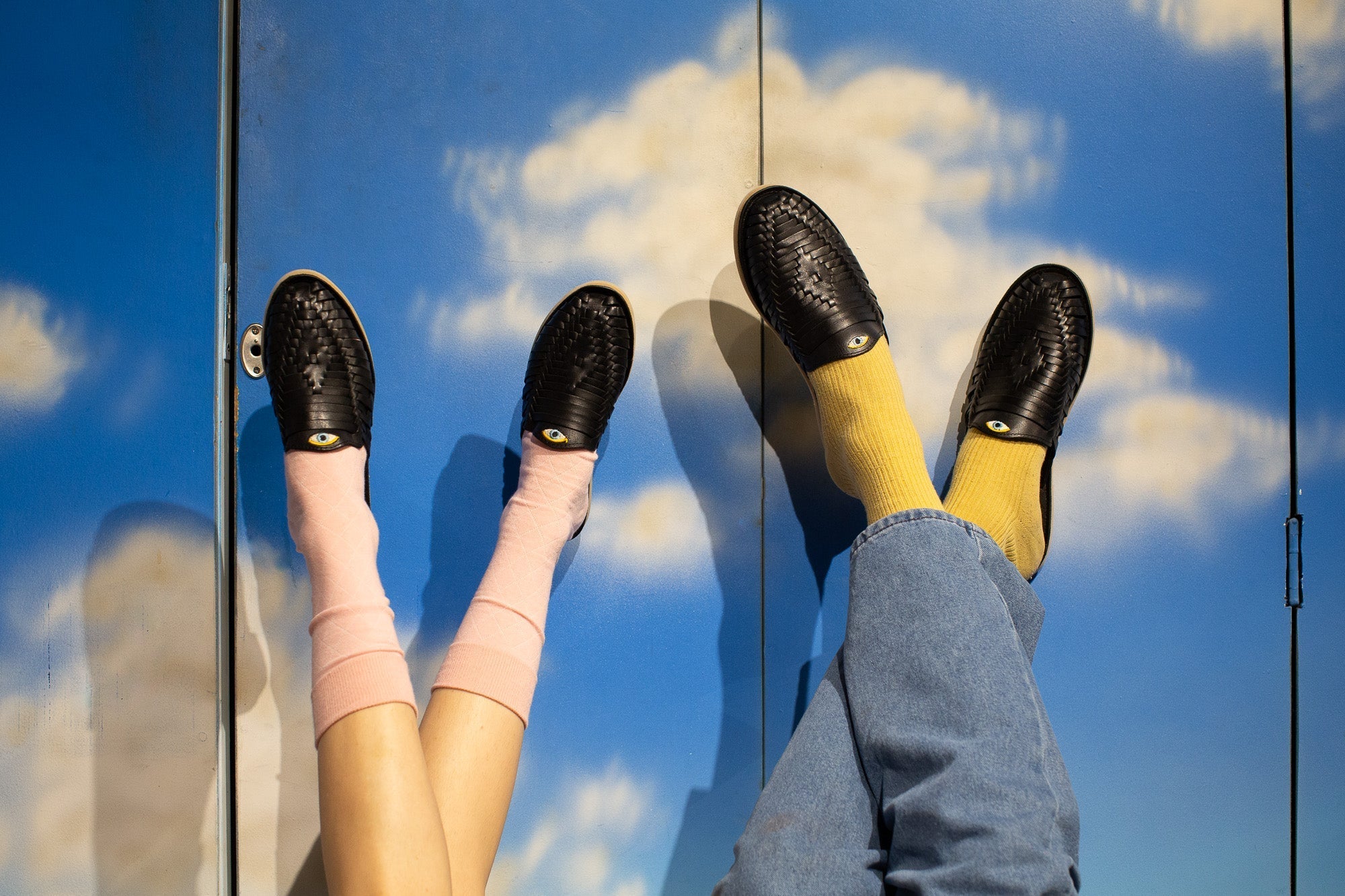
Espíritu Market was born inside that same movement. Our San Miguel store brings together brands that treat every piece as part of a longer story: fine knitwear made from traceable, natural fibers; huaraches handcrafted in Michoacán; jewelry and objects shaped by hands that know their materials intimately. When someone chooses a pair of huaraches or a MUAN sweater here, they are carrying a small piece of an ecosystem that stretches from workshops and weaving rooms to the streets they will walk months or years from now.

Choosing What You Want to Keep
The next time you travel, you don’t need to swear off souvenirs. Instead, try changing the question. Don’t ask, “What can I bring back quickly?” Ask, “What do I want to see, touch, and remember ten years from now?”
That is the moment when a souvenir begins to become an heirloom—and when travel becomes not just movement through places, but a way of curating the life you want to live.