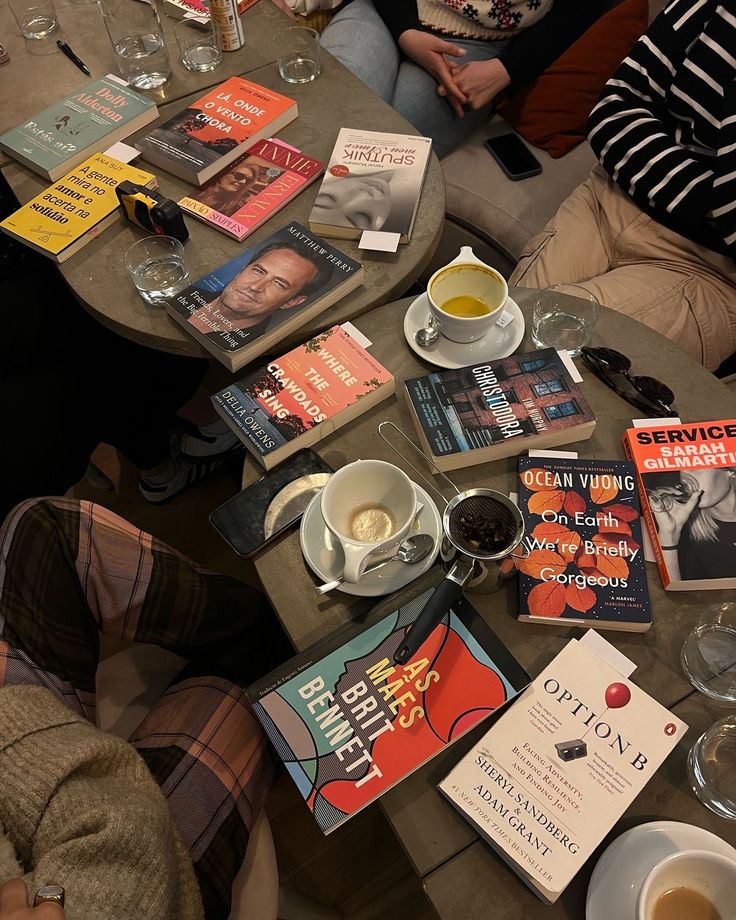
The literary world is facing a turning point. Reading rates are declining, book reviews are disappearing, publishing costs are rising, and artificial intelligence is raising new questions about creativity and authorship. Yet, despite these challenges, books are far from disappearing.
In a conversation with 34 authors, publishers, booksellers, critics, and literary influencers, one thing became clear: while traditional publishing is struggling, a new literary culture is emerging.
A New Era for Readers and Writers
Social media platforms like TikTok and BookTok have transformed how people discover books. Readers are building online communities, recommending forgotten classics, and bringing unexpected titles back into the spotlight. Meanwhile, independent publishers and self-published authors are finding new ways to reach audiences outside traditional publishing channels.
However, the decline of literary magazines, newspaper book sections, and professional criticism makes it increasingly difficult for writers—especially debut and marginalized authors—to gain visibility. Rising printing costs and shrinking marketing budgets have also put pressure on publishers, forcing many to become more selective about the books they support.

Can AI Replace Human Creativity?
Artificial intelligence is one of the industry’s biggest concerns. Writers and translators fear that AI could threaten their livelihoods, imitate their work without permission, and flood the market with machine-generated content.
Still, many believe that literature’s greatest strength lies in its humanity. Personal experiences, emotions, and distinctive voices remain central to meaningful storytelling. The challenge ahead will be protecting creative work while adapting to new technology.
The Return of Literary Community
Despite the industry’s uncertainty, reading is becoming social in exciting new ways. From stylish literary parties and live readings to independent bookstores and online book clubs, people are finding fresh ways to connect through literature.
BookTok has also helped younger generations discover reading, proving that audiences still exist—even if the way they find books has changed. Independent bookstores and small presses are particularly important to this movement, creating spaces where readers can explore new voices and connect with their communities.
A Reason to Be Optimistic
Perhaps the most encouraging development is the growing diversity of stories being published. Transl translated literature, experimental fiction, and voices that were once overlooked are finding new audiences. As major publishers become more cautious, independent presses are creating opportunities for writers willing to challenge conventions.
The future of books may look different from the past, but the desire to tell stories and discover new perspectives remains strong.
So, will books survive? The consensus is cautiously optimistic. The publishing industry may be changing dramatically, but readers are still discovering stories, writers are still creating them, and communities are finding new ways to keep literature alive. The future of books may depend less on preserving the old system and more on imagining a better one.