From Impulse to Intention
Most of us own far more things than we actually remember. Clothes that never quite felt like us, objects that looked good online but disappeared into a drawer after a week. At the same time, we all have a few pieces—shoes, a jacket, a mug, a bag—that have quietly stayed with us for years. They age, but they don’t expire. They hold a kind of gravity in our lives.
This is a blog about those pieces: the objects that stay. The ones you can imagine still reaching for ten years from now. And more importantly, how to choose them with intention so that your home and wardrobe feel less like storage and more like a living collection of things that truly matter.

Why Do Some Things Stay and Others Don’t?
When you look at the objects you’ve kept for years, a pattern usually emerges. They may not be the most expensive or the most “on trend,” but they tend to share a few qualities:
- They feel good to use.
- They are made of materials that age with character, not just wear out.
- They carry a story: of a place, a person, a season in your life.
- They work in many situations, not just one.
In other words, they are companions, not costumes. They adapt as your life changes. A sandal that walks with you through different cities. A sweater that goes from early classes to late dinners. A ceramic bowl that holds fruit one day and keys the next.

Start with Materials That Age Well
One of the simplest ways to choose objects that last is to pay attention to what they’re made of. Natural materials tend to age with more grace than synthetic ones. Leather softens and develops patina. Linen and cotton grow more comfortable with each wash. Wool keeps its warmth and resilience. Ceramics show hairline marks that tell stories of use instead of failure.
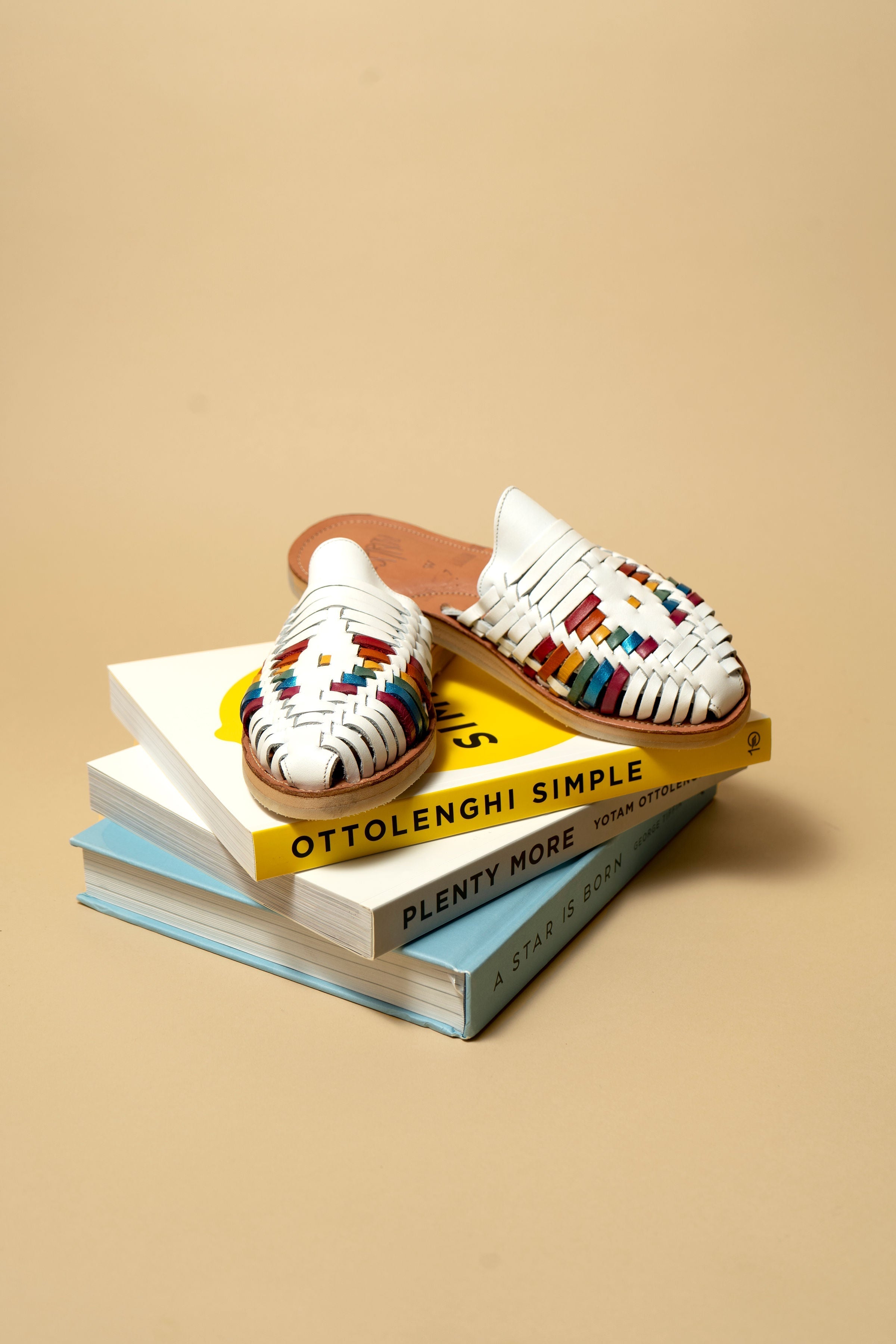
When you hold something in your hands, ask yourself: will this get more interesting as it ages, or will it just get tired? Quality leather huaraches that mold to your feet over time will feel completely different ten summers from now. A plastic sandal might not even make it through one season without cracking or fading.

Comfort as a Long-Term Investment
We’ve been taught to chase looks first and comfort second, as if those two were always in conflict. But if you think about the pieces you’ve kept the longest, comfort is almost always part of the equation. If something hurts, pinches, or feels fragile, you eventually stop reaching for it—no matter how beautiful it is.
Choosing objects that stay means treating comfort as a design priority, not an afterthought. Shoes that are gentle with your feet. Clothes that allow you to breathe and move. Objects that feel good in your hands. When comfort is built in, you naturally return to the piece again and again, and it earns the right to stay in your life.

The Stories We Carry in Things
Another reason we keep certain objects is emotional. Some things remind us of specific people, places or chapters of our lives. A pair of huaraches bought in San Miguel that later walked with you through another country. A sweater you wore on the day you met someone important. A cup gifted to you at a turning point.
When you’re deciding whether to bring something new into your life, it helps to ask a small but powerful question: Can I imagine building stories with this? If the answer is yes—if you can see it in future trips, dinners, mornings, moves—then you’re already beyond the logic of impulse and closer to the realm of the objects that stay.

Pieces That Move With You
Versatility is not about owning bland, generic items. It’s about choosing pieces with enough clarity and simplicity that they can move between contexts. A neutral-toned huarache that works with linen pants, denim, dresses and shorts. A knit that can be layered over a slip dress or under a coat. A bag that looks right at the market and at dinner.
The more roles a piece can play in your life, the more chances it has to become a long-term companion. If something only works for one highly specific situation, it’s more likely to be replaced when your circumstances change.

Questions to Ask Before You Bring Something Home
Next time you’re considering a new piece—whether it’s clothing, shoes, or an object for your home—try pausing with a few questions:
- Can I imagine still loving this in five or ten years?
- Is it made of materials that will age well?
- Does it feel good on my body or in my hands?
- Will it work with what I already own?
- Is there a story I want to build with this?
You don’t need a perfect score on every question. But if you feel a strong “yes” in several of them, you’re likely looking at an object with the potential to stay.

Where Espíritu Fits In
At Espíritu, we try to design from this perspective: fewer objects, deeper relationships with each one. Our huaraches are made to be worn hard and often—to walk cobblestone streets, airports, markets, and daily city routes until the leather has learned your way of moving.
We believe good design is not only about how something looks today, but how it will feel years from now, when it has absorbed your rhythm and your story. Objects that stay are the ones that walk the distance with you. Our task is simply to make them ready for the journey.
Choosing a Smaller, Deeper Circle of Things
You don’t have to reinvent your entire wardrobe or home in one day. Choosing objects that stay is more about slowing down your decisions than speeding up your consumption. It’s about paying attention to how things make you feel over time—not just in the moment you first see them.
In the end, the objects that stay become part of your personal landscape. They show up in photos across years. They appear in memories without announcing themselves. And one day, you realize they’ve quietly become heirlooms—not because of their price, but because of the life you’ve lived with them.