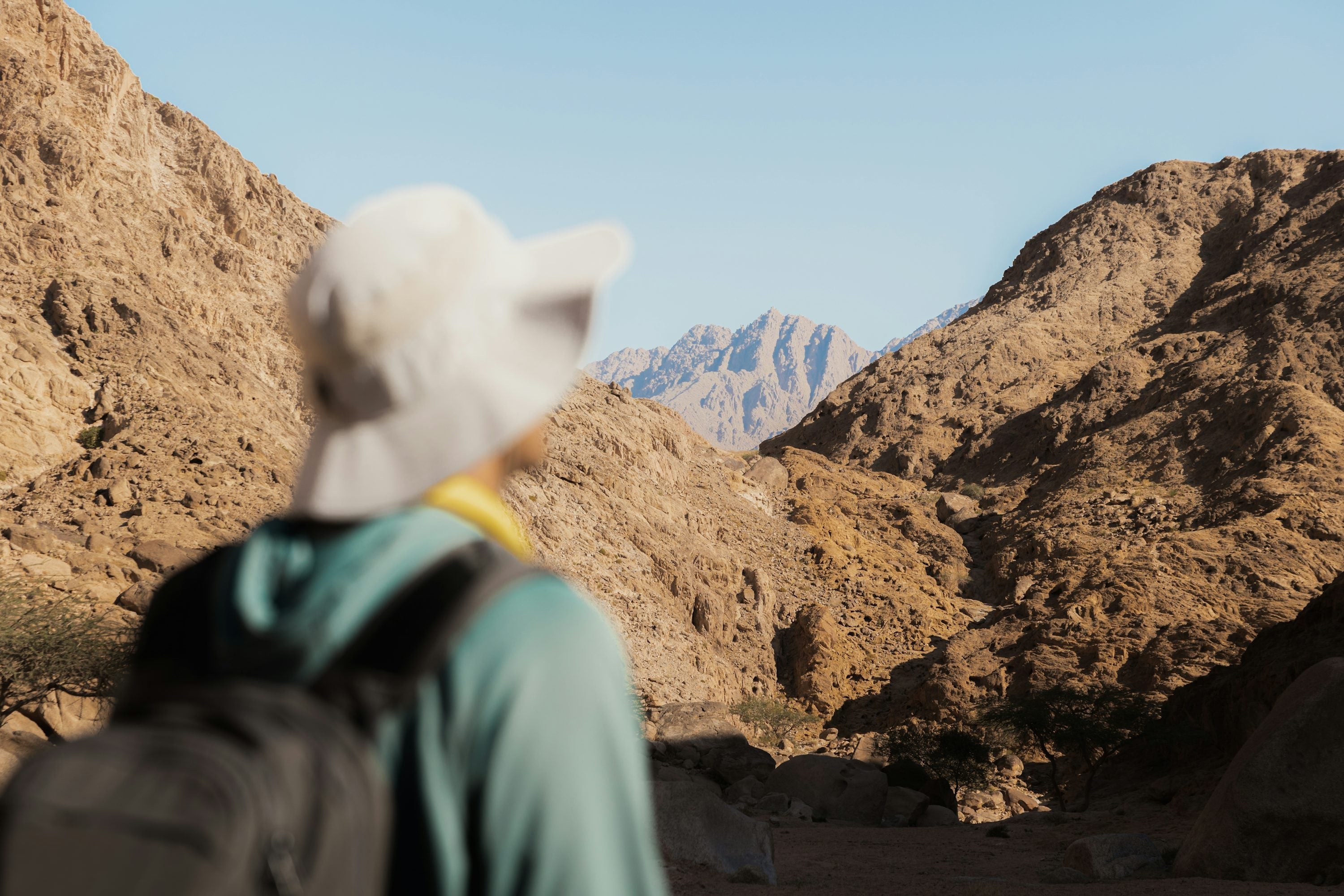
Why Hiking, and Why Now?
In almost every big city, you will hear some version of the same story: “I started hiking during a stressful period and never stopped.” What used to feel like a niche hobby is now the weekend ritual of choice for a lot of people who spend their weeks in front of screens and under fluorescent lights.
It makes sense. Research has been piling up for years showing that time in nature can lower stress, improve mood, sharpen attention, and even reduce the risk of depression and anxiety. Even short doses matter. For city residents, a few hours on a trail can feel like hitting a reset button—physically and mentally.

What Hiking Represents: Literal and Spiritual
On the surface, hiking is straightforward: you walk from one point to another, usually uphill, on a trail. But people keep going back because something else is happening beneath the physical effort.
Literally, you are changing your environment. You leave behind traffic lights, notifications, and deadlines and step into a space where time is measured in switchbacks and shade, not in emails. Your body has a job: breathe, step, adjust. That focus can be incredibly calming.
Emotionally or spiritually, hiking offers three gifts: perspective, scale, and presence. Climbing gives you a view that shrinks your problems slightly. Mountains remind you that you are part of something much bigger, which can be strangely comforting. Trails demand attention to every step and change in weather, turning the act of walking into a kind of moving meditation.

What You Really Need to Enjoy It Fully
You don’t need a closet full of high-tech gear to start hiking, but a few things make the difference between a magical day and a miserable one.
Footwear you can trust. For real trails, that usually means hiking shoes or boots with good grip and ankle support. (Espíritu huaraches are perfect for long city walks and markets, but for steep, rocky paths, lace-up boots are your friend.)
Layers, not one big jacket. Weather changes quickly as you gain altitude. A breathable base layer, a light insulating layer, and a shell you can add or remove works better than a single heavy piece.
Water and simple snacks. Bring more than you think you will need. Dehydration and low energy are behind many “I hated that hike” stories.
Basic navigation and a plan. Download the route offline, check recent trail conditions, and tell someone where you’re going and when you expect to be back.
Respect for your limits. Start with shorter, well-marked trails. Heading out alone on remote or technical terrain, especially in countries you don’t know well, can be risky; local guides and group hikes are often the safest way to explore unfamiliar mountains.

A Small Ritual to Set Intention
Because hiking has become a kind of modern ritual for many people, it can be beautiful to mark it that way—especially if you are using it as a reset from city life.
Before you start walking, you might take three slow breaths, feeling your feet on the ground. Choose a simple intention for the hike: to let something go, to think about a decision, or to notice as many details as possible. You can also acknowledge the land you are on—its people, its ecosystems, its weather—whether silently or out loud.
It doesn’t have to be elaborate. The point is to cross an invisible threshold: now I’m here, and I’m going to pay attention.

Mountains Just Outside the World’s Big Cities
One of the reasons hiking has become such a popular escape is that many great trails sit surprisingly close to major cities.
In Japan, people in Tokyo take a short train ride to Mount Takao, where forest paths, a temple, and multiple routes offer a full-day escape without leaving the region. Near Barcelona, Montserrat’s rock formations and monastery anchor a protected natural park with trails leading to panoramic views. In Cape Town, the Table Mountain range rises directly behind the city, with routes like Platteklip Gorge carrying hikers to vast views of ocean and skyline.
Almost every major city has its own version: forested hills, coastal paths, volcano rims, or urban parks with genuine wilderness energy. The key is to respect local conditions—weather, wildlife, and safety advisories—and, when in doubt, go with people who know the terrain well.

Walking as a Way of Life
In the end, hiking is just another form of walking—but charged with intention. You leave home, you climb, you return slightly different. The emails and notifications will still be there, but the way you meet them changes.
For a brand like Espíritu, which was born from the act of walking—through markets, plazas, cobblestone streets, and desert paths—the rise of hiking as an urban escape feels like part of the same story. Whether you are crossing a city in huaraches or a ridge in boots, the invitation is to follow your spirit: move at a human pace, pay attention to where you are, and let the journey imprint itself on you.